
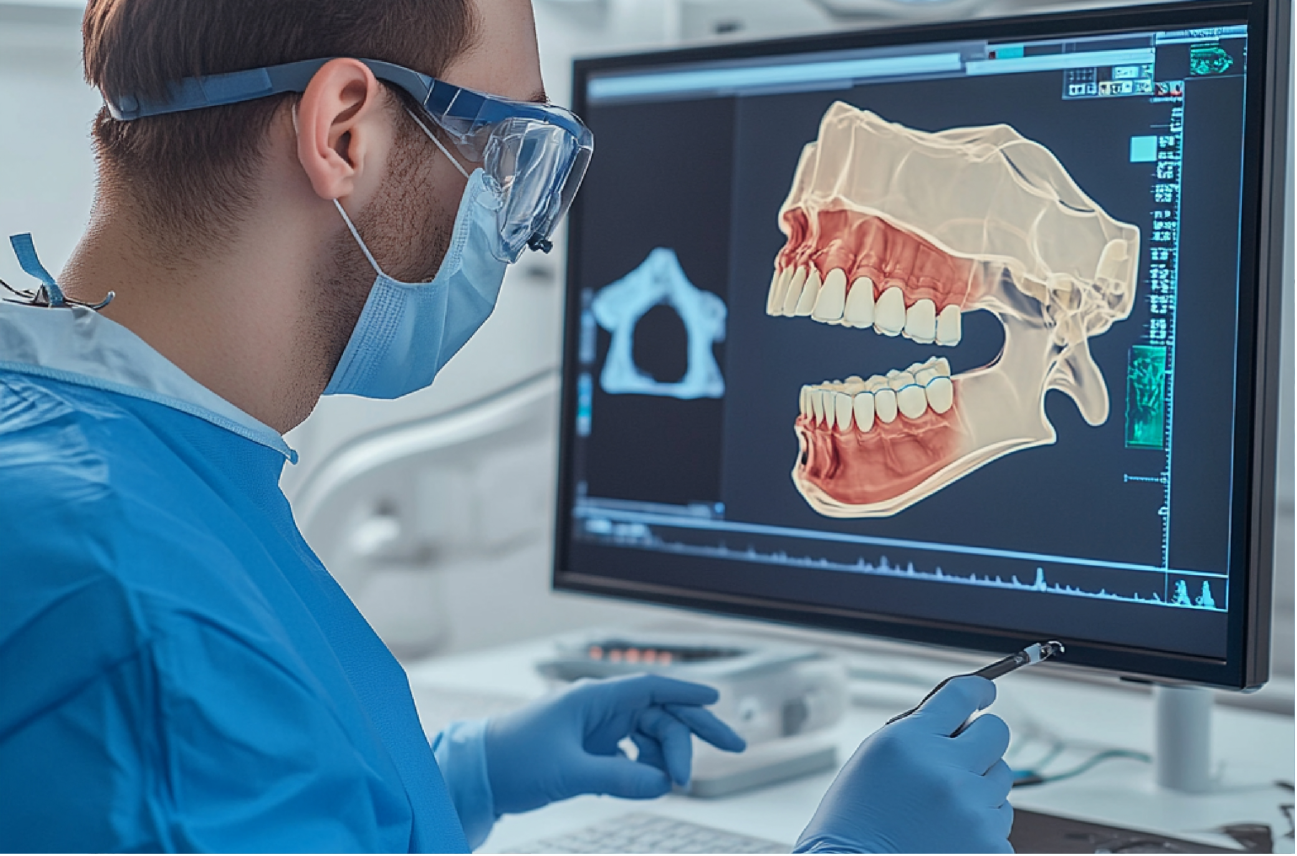
A jaw that clicks on the way through lunch or aches by the end of a long day is easy to live with for months. Many people keep adjusting how they chew, sleep, and even talk without realizing the bite may be part of the problem. BIORTHOSIS® is a bite-focused approach to TMJ-related jaw problems, built around how the teeth and jaw joints work together. This blog explains what BIORTHOSIS® is, how it helps evaluate jaw problems, which treatment options may follow, which symptom details help and which questions to ask before starting treatment.
What Is BIORTHOSIS®
BIORTHOSIS® is a branded approach to temporomandibular disorders (TMD), the group of conditions that affect the jaw joints and the muscles that move them. The temporomandibular joints, or TMJ, are the hinges on each side of the jaw that let you chew, talk, and yawn.
The approach starts from the idea that the way the upper and lower teeth meet can influence how the jaw joints and muscles function. Looking at the bite and the joints together can give a fuller picture of jaw symptoms than looking at either one alone. BIORTHOSIS® supports evaluation and treatment planning, and it is not a promise of a cure. Jaw symptoms can have more than one contributing factor, so results vary from person to person.
How BIORTHOSIS® Helps Evaluate TMJ Related Jaw Problems
A jaw evaluation brings together what you describe, what is found in the joints and muscles, how the teeth meet, and what imaging shows. Together, these details build a clearer picture before any treatment is recommended.
Describing Your Symptoms and Jaw History
You start by sharing where and when you feel clicking, pain, stiffness or headaches, along with any past jaw injuries or dental work. These details point the evaluation toward the areas that matter most.
Having Your Jaw Joints and Muscles Checked
A physical examination looks at how your jaw opens and closes, whether the joints click or catch, and whether the surrounding muscles feel tender. Light pressure is applied around the joints and muscles, so mention any soreness you notice.
Looking at How Your Teeth Come Together
A bite analysis shows how your upper and lower teeth meet when you close and chew, and whether the contact is even. For people with jaw pain, this is where the link between bite function and jaw comfort is examined.
Reviewing Imaging of the Jaw
Imaging such as digital X-rays or a CBCT scan shows the bone and joint structures that cannot be seen during a physical examination. It adds detail about the jaw joint that helps with planning.
Which Treatment Options May Follow a Jaw Evaluation
Treatment depends on what the evaluation finds, and a personalized plan is built around your findings. Options for TMD dental treatment can range from simple habit changes to restoring the bite.
- Adjust daily habits that strain the jaw, such as chewing on one side, biting nails, or clenching during the day.
- Discuss a custom bite appliance if it suits your case, to change how the teeth meet and give the jaw a rest.
- Restore the bite with dental work when uneven contact is part of the problem.
- Return for follow-up visits so progress can be reviewed and the plan adjusted over time.
Which Jaw Symptom Details Help Plan Your Evaluation
Noting your symptoms for a week or two before the visit gives the evaluation something concrete to work from. Write down when the jaw clicks, aches or locks, whether symptoms are worse in the morning or after meals, and whether headaches or neck tension come with them.
Mention clenching or grinding as well, since many people first learn of it from a partner’s comment or a sore jaw on waking. Past jaw injuries, earlier dental work and any treatments already tried are worth including, because they shape where the evaluation begins.
Which Questions to Ask Before Starting TMJ Treatment
Asking a few direct questions before treatment starts helps you understand what to expect from the evaluation and the plan that follows. Clear answers also make it easier to compare options and feel confident in your next step.
- Ask what BIORTHOSIS® involves for your case and how it fits into the treatment plan.
- Ask how your bite will be assessed and which imaging, if any, will be used.
- Ask how many visits to expect and how progress will be tracked.
- Ask which parts of the plan address daily habits and which address the bite.
- Ask who to contact if your symptoms change between visits.
Get TMJ Jaw Problems Checked at The Dentists at Galway in St. John’s, NL
The Dentists at Galway in St. John’s, NL offers TMJ treatment that includes a physical examination, imaging studies and a bite analysis, along with BIORTHOSIS® to treat TMD. Schedule a consultation to find out what is behind your jaw symptoms and which plan suits you.
Frequently Asked Questions
Can clenching or grinding affect the jaw joints?
Yes. Ongoing clenching or grinding can overwork the jaw muscles and strain the joints, which may lead to soreness or clicking. Mention these habits at your evaluation so they can be considered in your plan.
Can jaw pain have causes unrelated to the teeth?
Yes. Sinus problems, ear conditions, muscle tension and headaches can cause pain felt in the jaw. The Dentists at Galway can check the bite and joints, and your doctor can look into other causes.
How long does a jaw evaluation take?
Timing varies with your symptoms and the imaging needed, so the visit may run longer than a routine checkup. The Dentists at Galway can tell you what to expect when you book.
How long does dental implant treatment take?
Treatment often takes several months because healing is needed before the final restoration is placed. Timing varies based on oral health and whether additional care is needed.
Who may be considered for BIORTHOSIS® based care?
People with ongoing jaw pain, clicking, locking, limited opening or frequent headaches linked to the jaw may be considered, depending on the evaluation. A consultation helps confirm whether this approach suits you.
Can jaw symptoms improve without treatment?
Mild symptoms sometimes ease with rest, softer foods and less clenching. Persistent or worsening pain, locking or trouble opening deserves an evaluation. The Dentists at Galway can assess your jaw and suggest next steps.
Disclaimer: BIORTHOSIS® is a legally registered trademark of its respective owner. The Dentists at Galway provides this information for educational purposes as an authorized clinical provider of this dental treatment protocol.